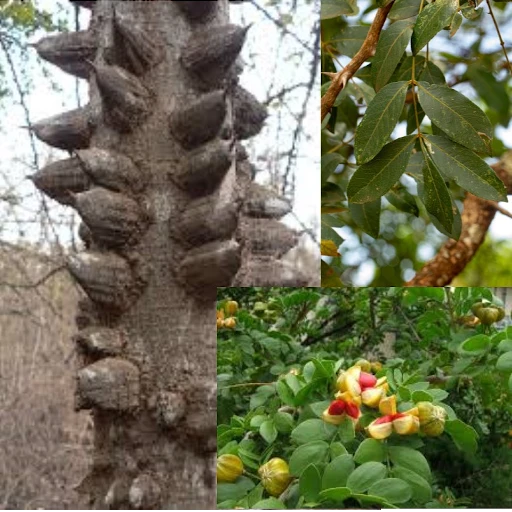
Knobwood (Mkunungu / Mjafari)
One of Tanzania’s most important medicinal trees, used for malaria, body pains, coughs, and toothache. The bark and roots are prepared as decoctions or liniments.
- Description
- Botanical Information
- Local Names
- Traditional Uses
- Preparation Methods
- Dosage & Safety
- Scientific Notes
- Culinary Uses
- Safety Information
- Where It Grows
- Where to Buy
Description
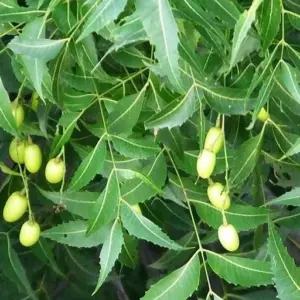
Knobwood (Mkunungu or Mjafari in Kiswahili) is a spiny deciduous shrub or tree growing to 8 meters, with a rounded but open crown. The tree is named for its characteristic large, conical woody knobs with sharp prickles on the trunk [citation:1].
The leaves have a strong lemon smell when crushed. The bark is pale grey and smooth, with dark scales and prickles that protect buds [citation:1].
This tree is described as “one of the most important vegetable and medicinal plants of Tanzania” and is found in all parts of the country [citation:1].
For detailed information on uses, preparation, and safety, please explore the tabs below. To purchase, contact any of the healers listed in the “Where to Buy” tab.
Scientific Name: Zanthoxylum chalybeum
Family: Rutaceae (Citrus family)
- Kiswahili: Mjafari, Mkunungu
- English: Knobwood
- Maasai: Oloisuki
- Gogo: Mhunungu, Mlungulungu
- Sukuma: Nungu
- Haya: Entare yeirungo
- Chagga: Mrungurungu
- Pare: Msele
- Nyamwezi: Mlungulungu
- Sambaa: Hombo-muungu
Knobwood is one of the most important medicinal plants in Tanzania, used for generations across many ethnic groups. The tree is named for the characteristic large, conical woody knobs with sharp prickles on its trunk [citation:1].
Malaria and Fever
A decoction of bark and roots is a widely used remedy for malaria and general body pains. The bitter properties are believed to reduce fever and combat malarial parasites [citation:1].
Pain and Inflammation
Bark and root powder is mixed with oil and applied as a liniment for body pains, sprains, and rheumatism. The decoction is also used for generalized body aches [citation:1].
Respiratory Health
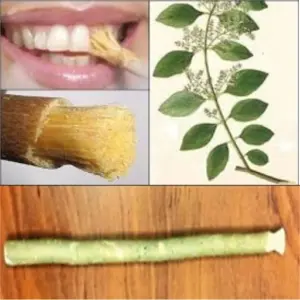
The bark decoction is used as a gargle for toothache and also for coughs and respiratory infections [citation:1].
Other Medicinal Uses
Traditional healers also use Knobwood for scorpion and snakebite, oedema (body swellings), anaemia, and as a treatment for hernias [citation:1].
BARK DECOCTION
Collect bark, dry, and boil in water for 15-20 minutes. Strain and drink 1/2 cup, 2-3 times daily for malaria, fever, and body pains.
ROOT DECOCTION
Roots are prepared similarly to bark. Used for more severe conditions including snakebite and anaemia.
LINIMENT OIL
Grind dried bark and root into powder. Mix with coconut or shea oil. Apply externally for sprains, rheumatism, and localized pain.
GARGLE
Prepare a strong decoction of bark. Allow to cool slightly and use as a mouthwash for toothache and gum infections.
Dosage Guidelines
- Decoction: 1/2 cup (125 ml), 2-3 times daily
- Liniment: Apply externally to affected area 2-3 times daily
- Gargle: Use as needed for toothache
- Caution: Use moderate amounts; very strong decoctions may cause digestive upset
Contraindications
- Pregnancy: Consult experienced healer before use
- Children: Reduce dosage; consult healer for appropriate amount
- Stomach sensitivity: The bark is bitter and may cause nausea in some individuals; start with smaller doses
Zanthoxylum chalybeum is one of the most frequently cited medicinal plants in Tanzanian ethnobotanical surveys. The genus Zanthoxylum is known to contain alkaloids, flavonoids, and terpenoids with demonstrated antimalarial, antimicrobial, and anti-inflammatory properties [citation:1].
The tree is described as "one of the most important vegetable and medicinal plants of Tanzania" in the Ruffo (2002) publication on edible wild plants of Tanzania [citation:1].
Research has shown that Zanthoxylum species contain compounds such as berberine and other isoquinoline alkaloids that exhibit activity against Plasmodium parasites, supporting the traditional use for malaria treatment.
⚠️ Important Warnings
- Pregnancy: Consult an experienced healer before use. The bark and root preparations contain alkaloids that may affect pregnancy. Avoid medicinal doses unless under professional guidance.
- Children: Reduce dosage for children. Consult a healer for appropriate amounts based on age and weight (generally half of adult dose for children over 6 years).
- Stomach sensitivity: The bark is very bitter and may cause nausea in some individuals, especially on an empty stomach. Start with smaller doses (1/4 cup of decoction) to test tolerance.
- Excessive use: Very strong decoctions or large amounts may cause digestive upset, vomiting, or diarrhea. Use moderate amounts.
- Alkaloid content: This plant contains alkaloids (including berberine-type compounds) that can be potent. Do not exceed recommended dosage.
- Breastfeeding: Avoid internal use during breastfeeding unless under professional guidance.
📋 General Advice
Knobwood is a potent medicinal plant used for malaria, body pains, and respiratory conditions. Always start with the lowest effective dose and observe how your body responds. Do not use for extended periods (limit to 7-14 days consecutively). Use under the guidance of an experienced traditional healer.
🔍 Proper Identification
Knobwood (Zanthoxylum chalybeum) is a spiny tree or shrub with characteristic large, conical woody knobs with sharp prickles on the trunk. The leaves have a strong lemon-like smell when crushed. The bark is pale grey and smooth. Ensure you have correctly identified the plant before use, as some related species may have different properties.
Disclaimer: The information provided is for educational purposes only and is not medical advice. Knobwood contains potent alkaloids. Always consult a qualified healthcare provider or experienced traditional healer before using this plant, especially if you are pregnant, nursing, or have underlying health conditions.
Found in all parts of Tanzania, as well as Uganda, Kenya, parts of Central Africa, from Ethiopia and Somalia south to South Africa. Grows in dry bushland and wooded grassland, often on termite mounds, at altitudes from sea level to 1,600 meters [citation:1].
The tree is common and easily accessed. Bark is collected all year round. Leaves are collected during the rainy and early dry season. Dried leaves and bark can be stored for about 6 months [citation:1].
No healers currently offer this remedy.