Toothbrush Tree (Mswaki)

The famous “toothbrush tree” of Tanzania. Its twigs are nature’s perfect dental care, fighting bacteria and freshening breath. Also used for digestive complaints and respiratory health.
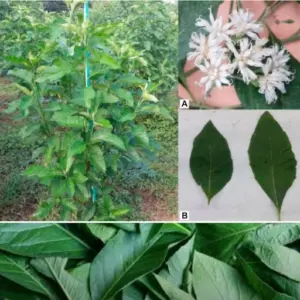
Description

The Toothbrush Tree (Mswaki in Kiswahili, Muungu in many regions) is a small, evergreen tree found throughout Tanzania’s dry lowlands. Its twigs have been used for generations as a natural, effective method of oral hygiene.

When chewed, the twigs release antibacterial compounds that clean teeth, strengthen gums, and leave the breath fresh. Even the World Health Organization recognizes the benefits of the traditional chewing stick.

For detailed information on uses, preparation, and safety, please explore the tabs below. To purchase, contact any of the healers listed in the “Where to Buy” tab.

Scientific Name: Salvadora persica

Family: Salvadoraceae

  • Kiswahili: Mswaki, Muungu
  • English: Toothbrush Tree
  • Arabic: Arak
  • Nyamwezi: Mukomale
  • Sambaa: Msyake
  • Pare: Muswaki
  • Haya: Mutaate
  • Maasai: Olmwaki

The Toothbrush Tree is famous throughout Tanzania and East Africa for its remarkable dental hygiene properties. The twigs have been used for centuries as natural toothbrushes, and modern research has confirmed their antibacterial effectiveness.

Dental and Oral Health

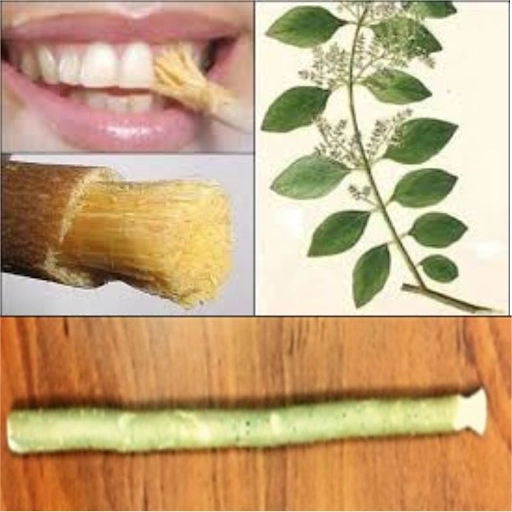
The twigs are chewed until they form a brush-like end, then used to clean teeth. The sap releases antibacterial compounds that fight plaque, reduce gum inflammation, and eliminate bad breath. It is used daily as a substitute for modern toothbrushes.

Digestive Health

Decoctions of the root and bark are taken for stomach aches, gastric ulcers, and general digestive complaints.

Pain and Inflammation

The twigs are chewed to relieve toothaches and headaches. A decoction of the bark is used for general body pain and rheumatism.

Respiratory Health

Bark decoctions are also used to treat coughs and chest congestion.

Other Medicinal Uses

Root decoctions are used for intestinal worms, as a diuretic for kidney issues, and for female reproductive health concerns.

CHEWING STICK

Cut a thin twig (pencil thickness), peel back a small section of bark at one end, and chew until it forms bristles. Use to brush teeth 2-3 times daily.

BARK DECOCTION

Boil dried or fresh bark in water for 15 minutes. Strain and drink 1/2 cup, 2-3 times daily for digestive and respiratory issues.

MOUTHWASH

Prepare a weak decoction of twigs, allow to cool, and use as a mouthwash after meals.

ROOT INFUSION

Soak chopped roots in cold water for several hours. Drink for stomach aches and kidney problems.

Dosage Guidelines

  • Chewing stick: Use as needed for daily oral hygiene
  • Decoction: 1/2 cup (125 ml), 2-3 times daily
  • Mouthwash: Use after meals as needed
  • Root infusion: 1 cup, once daily for digestive issues

Contraindications

  • Pregnancy: Avoid internal use; chewing sticks for oral hygiene is generally considered safe
  • Excessive use: Very large amounts may cause digestive upset
  • Diabetes medication: Monitor blood sugar, as the plant may have hypoglycemic effects

Salvadora persica has been extensively studied for its oral health benefits. Research has demonstrated antibacterial activity against Streptococcus mutans, the primary bacteria responsible for tooth decay.

The twigs contain natural fluoride, silica, and antibacterial compounds including benzyl isothiocyanate, salvadourea, and salvadorine.

The World Health Organization (WHO) has recognized the benefits of the chewing stick and encourages its use as an effective, affordable method of oral hygiene.

⚠️ Important Warnings

  • Pregnancy: Avoid internal use during pregnancy. Chewing sticks for oral hygiene are generally considered safe for pregnant women.
  • Children: Chewing sticks are safe for children under adult supervision. Internal decoctions should be given in reduced dosage (approximately half of adult dose) for children over 6 years.
  • Diabetes medication: Monitor blood sugar, as the plant may have hypoglycemic (blood sugar lowering) effects. Consult your doctor if you are taking diabetes medication.
  • Internal use caution: Internal decoctions should be used in moderation (1-2 cups daily, not exceeding 7 days consecutively). Prolonged internal use may affect kidney function.
  • Excessive use: Very large amounts of internal preparations may cause digestive upset or nausea.
  • Breastfeeding: Avoid internal use during breastfeeding. Chewing sticks are safe for oral hygiene.

📋 General Advice

Chewing sticks (Mswaki) are safe for daily oral hygiene and can be used as a natural alternative to modern toothbrushes. For internal medicinal use (decoctions for digestive or respiratory issues), consult with a qualified healer or healthcare provider. Do not swallow the fibrous material from the chewing stick—spit it out after use.

🔍 Proper Identification

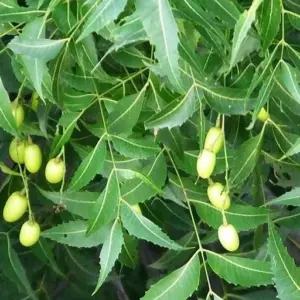
The Toothbrush Tree (Salvadora persica) is a small evergreen tree or shrub with pale bark, small greenish-yellow flowers, and small red fruits. The twigs are flexible and when chewed form a brush-like end. The wood has a slightly salty, pungent taste. Ensure you have correctly identified the plant before use.

Disclaimer: The information provided is for educational purposes only and is not medical advice. Chewing sticks are generally recognized as safe for oral hygiene. For internal use, always consult a qualified healthcare provider.

Found throughout Tanzania, particularly in dry lowland areas, coastal regions, and semi-arid zones. The tree thrives in poor soils and is drought-resistant. Commonly found near termite mounds, along seasonal riverbeds, and in open bushland.

The tree is evergreen, growing up to 7 meters tall. It is often cultivated near homesteads for easy access to the medicinal twigs.

No healers currently offer this remedy.