Bitter Leaf (Mwavulati / Olusekwa)
One of Africa’s most powerful medicinal plants, used for malaria, fever, stomach ailments, and skin conditions. The bitter taste is a sign of its potent healing properties.
- 🌿Botanical Information
- 🏷Local Names
- Traditional Uses
- 🫙Preparation Methods
- 💊Dosage
- 🧪Scientific Notes
- 🍽Culinary Uses
- 🛡Safety Information
- 🌍Where it is Grown
- 🛒Where to Buy (Healers)
🌿Botanical Information
🏷Local Names
Traditional Uses
Bitter Leaf is one of the most important medicinal plants in Africa, used for centuries across the continent. The plant's name comes from its intensely bitter taste, which is associated with its powerful medicinal properties. Even wild chimpanzees have been observed eating the leaves to treat parasitic infections [citation:2].
Malaria and Fever
Leaf decoctions are a widely used remedy for fever and malaria. The leaves are crushed in water or chewed directly. One shot glass of the decoction is taken three times daily until recovery [citation:4]. The leaves are often combined with neem, scent leaf, and lime for enhanced antimalarial effect [citation:4].
Digestive Health
The leaves are used to treat stomach aches, diarrhea, dysentery, and intestinal worms. The bitter properties stimulate digestion and act as a natural laxative. Root extracts are also used for gastrointestinal disorders [citation:6].
Skin Conditions
Pounded leaves are mixed with warm water for bathing to treat skin spots, rashes, and nausea. The juice is mixed with soap and applied to wounds twice daily until healing [citation:1][citation:4]. The leaves are also used as a natural substitute for iodine on wounds [citation:6].
Other Medicinal Uses
Bitter Leaf is also used for cough, hepatitis, as a fertility inducer, and for general detoxification of the body. Root infusions treat sexually transmitted diseases. The leaves have demonstrated anti-diabetic, anti-hypertensive, and anti-tumor properties in scientific studies [citation:6][citation:8].
🫙Preparation Methods
💊Dosage
🧪Scientific Notes
Vernonia amygdalina has been extensively studied for its medicinal properties. The bitterness comes from sesquiterpene lactones (including vernodalin, vernolepin, and vernomygdin) and steroid glucosides (vernoniosides), which have demonstrated significant antiparasitic, antimalarial, and cytotoxic activity [citation:6].
Research has shown anti-malarial activity against Plasmodium berghei in vivo and Plasmodium falciparum in vitro. The leaves also exhibit anti-leishmanial, anti-bacterial, and anti-viral properties [citation:6].
Studies confirm anti-diabetic, anti-inflammatory, antioxidant, and anti-tumor effects. The plant has been shown to retard the growth of human breast cancer cells in laboratory tests [citation:6][citation:8].
Chewing sticks made from the wood showed activity against bacteria associated with periodontal disease [citation:6].
🍽Culinary Uses
Culinary Uses of Bitter Leaf
- Ndole (Cameroon): The national dish, cooked with ground peanuts, meat, and prawns
- Ofe Onugbu (Nigeria): Bitter leaf soup, a traditional Igbo dish
- Bitter leaf tea: Dried leaves steeped as a medicinal tea
Preparation note: The bitterness is often reduced by washing, boiling, or squeezing the leaves multiple times before cooking.
🛡Safety Information
⚠️ Important Warnings
- Pregnancy: Use with caution during pregnancy. Avoid large amounts as the bitter compounds may stimulate uterine contractions. Consult an experienced healer before use.
- Low blood pressure: Monitor blood pressure, as bitter leaf may have hypotensive (blood pressure lowering) effects. Use with caution if you already have low blood pressure.
- Blood thinners: May interact with anticoagulant (blood thinning) medications such as warfarin. Consult your doctor before use if you are on blood thinners.
- Excessive use: Very high doses may cause digestive upset, nausea, or gastric irritation due to the strong bitter compounds.
- Diabetes medication: May have hypoglycemic (blood sugar lowering) effects. Monitor blood sugar closely if taking diabetes medication.
- Kidney conditions: Use with caution if you have pre-existing kidney disease, as excessive use may affect kidney function.
📋 General Advice
Start with small doses (1-2 tablespoons of decoction) to assess your tolerance to the bitter compounds. If you experience nausea or digestive discomfort, reduce the dosage or dilute with more water. The bitterness can be reduced by washing, boiling, or squeezing the leaves multiple times before use.
🔍 Proper Identification
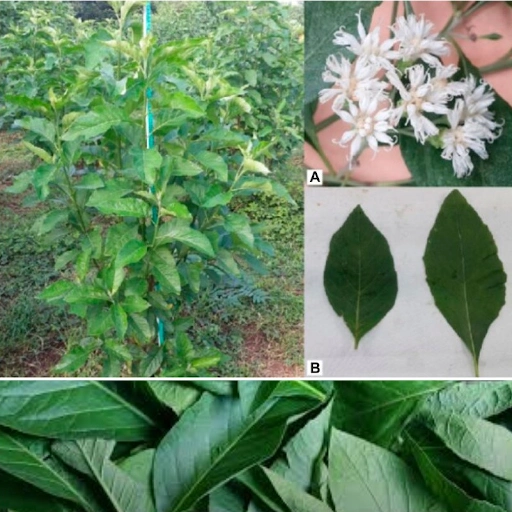
Bitter Leaf has distinct elliptical leaves with serrated margins, up to 20 cm long. The leaves have an intensely bitter taste, which is a key identifying feature. The plant produces small white or cream flowers. Ensure you have correctly identified the plant before use.
Disclaimer: The information provided is for educational purposes only and is not medical advice. Always consult a qualified healthcare provider before starting any new herbal remedy, especially if you have underlying health conditions or are taking medications.