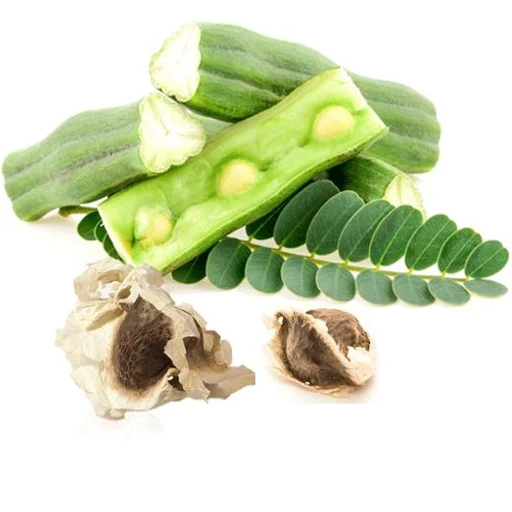
Moringa (Mlonge / Mzunze)
A nutrient-dense tree known as the “miracle tree” for its wide-ranging medicinal and nutritional benefits. Used for generations by Tanzanian healers.
- Description
- Botanical Information
- Local Names
- Traditional Uses
- Preparation Methods
- Dosage & Safety
- Scientific Notes
- Culinary Uses
- Safety Information
- Where It Grows
- Where to Buy
Description
Moringa is one of Tanzania’s most cherished medicinal trees. Known locally as Mlonge in Kiswahili and Mzunze in Pare, every part of this fast-growing tree offers healing properties passed down through generations.
Scientific Name: Moringa oleifera
Family: Moringaceae
- Kiswahili: Mlonge
- Pare: Mzunze
- Coastal: Shagara al Rauwaq
- English: Moringa
The moringa tree is known in Tanzania as the "miracle tree." Every part has medicinal value:
Leaves
Used to treat malnutrition, especially in children and breastfeeding mothers. Traditionally given to women after childbirth to increase milk production. Also used for diabetes management, high blood pressure, and general weakness.
Seeds
Crushed seeds purify drinking water. Also used as an antibacterial treatment and for parasitic infections.
Root
Used with caution as an anti-inflammatory and for treating fever. Root preparations are traditionally used for heartburn and digestive complaints.
Bark
Used for digestive issues and as a fever reducer.
LEAF POWDER
Fresh leaves dried in shade, ground to fine powder. Taken 1-2 teaspoons daily mixed in food, water, or porridge.
TINCTURE
Fresh leaves soaked in 40% ethanol (or quality spirits) for 2-4 weeks. Strain. 10-20 drops in water, 2x daily.
DECOCTION
Leaves or bark boiled in water for 10-15 minutes. Strain. One cup, 2x daily.
SEED PASTE
Crushed seeds mixed with water to form paste. Applied externally for skin infections and wounds.
Dosage Guidelines
- Leaf powder: 1-2 teaspoons (3-6 grams) daily
- Tincture: 10-20 drops in water, 2x daily
- Decoction: 1 cup, 2x daily
- Root preparations: Use with caution; consult experienced healer
Contraindications
- Pregnancy: Root preparations should be avoided. Leaves in small amounts (as food) are generally safe.
- Blood pressure medication: May have additive effects. Monitor closely.
- Diabetes medication: May lower blood sugar too much if combined. Monitor blood sugar.
- Excessive intake: Very large amounts may cause digestive upset due to high fiber content.
Studies confirm moringa leaves are rich in vitamins A, C, and E, calcium, potassium, and protein. Research supports its anti-inflammatory, hypoglycemic, and antimicrobial properties. The leaves contain quercetin and chlorogenic acid—compounds shown to lower blood pressure and blood sugar.
A 2020 review in the Journal of Ethnopharmacology noted moringa's traditional use for lactation has preliminary scientific support due to its high nutrient density and galactagogue compounds.
Culinary Uses of Moringa
- Leaf powder: Dried and ground leaves added to soups, stews, smoothies, and porridge
- Fresh leaves: Cooked as a vegetable similar to spinach
- Moringa pods (drumsticks): Cooked in curries and soups
- Moringa oil (Ben oil): Used for cooking and salad dressings
Flavor profile: Reminiscent of horseradish or mild mustard greens. The leaves have a slightly bitter, earthy taste.
⚠️ Important Warnings
- Pregnancy: Root preparations should be avoided during pregnancy. Leaves in small amounts (as food) are generally safe, but avoid medicinal doses.
- Blood pressure medication: May have additive effects. Monitor closely if taking blood pressure medication.
- Diabetes medication: May lower blood sugar too much if combined with diabetes medication. Monitor blood sugar levels.
- Excessive use: Very large amounts may cause digestive upset due to high fiber content.
- Root caution: Root bark contains alkaloids that may be toxic in high doses. Use only under guidance of an experienced healer.
📋 General Advice
Moringa leaves are generally safe for culinary use. For medicinal use, start with small doses and observe how your body responds. Always consult with a healthcare provider before starting any new herbal remedy, especially if you have underlying health conditions or are taking medications.
🔍 Proper Identification
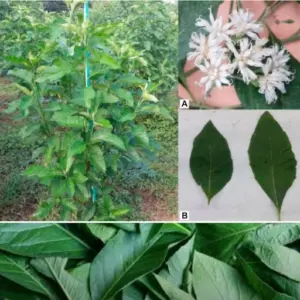
Moringa has distinctive tripinnate leaves and long, drumstick-shaped pods. The leaves have a slight horseradish-like taste. Ensure you have correctly identified the plant before use.
Disclaimer: The information provided is for educational purposes only and is not medical advice. Always consult a qualified healthcare provider before using any herbal remedy.
Naturalized throughout Tanzania. Commonly grown in homesteads in Morogoro, Arusha, Kilimanjaro, and coastal regions. Thrives in tropical and subtropical climates, drought-resistant once established.
Where to Buy This Remedy
Mama Fatuma Hassan
📍 Mwanza
Third-generation healer specializing in women's health and digestive remedies. Based in Morogoro for over 20 years.
💬 Contact on WhatsApp